all orange everything 🍊
does November 25 ring a bell? do not worry, we have you covered!


Ciao a tutt*,
Last newsletter of November!
Time flies, isn't it? 🚀
In a nutshell: some things are way bigger than us. I felt the need for a detour which is extremely significant for me. Today is November 25th, and we are still fighting to eliminate violence against women.
Summary:
Everything you need to know about VAWG
A personal story
Homework, homework, homework
ONE: I often change my mind at the very last minute, sometimes second, and it happens on a multiplicity of occasions.
It happened today for our weekly appointment.
Our fourth newsletter was written, ready to fall into your inbox at 6 pm like clockwork, and to bring you some new (valuable – hopefully) insights on ... (damn, I was about to spoiler the topic).
But suddenly, I realised what day today is and how crucial it is to talk about it.
No, I am not talking about Black Friday, and I am not about to offer you a discount code (or maybe yes, wait until the end! 😎).
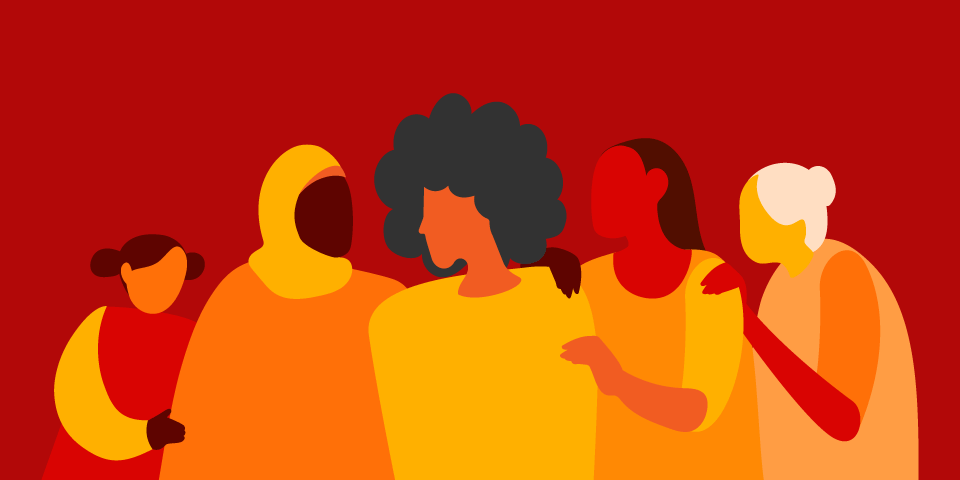
November 25th is the International Day for the Elimination of Violence against Women.
While writing it, a general feeling of hopelessness pervades my thoughts.
I wonder how, in 2021, we are still here discussing and fighting for rights that are simply Human Rights.
Reality hits differently.
The reality is that gender-based violence is the most pervasive violation of human rights.
The reality is that violence against women and girls (VAWG) is one of the most widespread, enduring and destructive human rights violations, and it remains largely unreported due to the impunity, the silence, the stigma and the shame that surrounds it.
When we think about violence, we often focus on the physical connotation of the term, yet it can manifest itself in other forms that can be sexual and psychological.
It encompasses: intimate partner violence, including psychological abuse; sexual violence and harassment, comprising any form of rape, stalking, forced marriage; human trafficking, female genital mutilation, child marriage.
The enumeration itself gives me goosebumps, and when you go through numbers and statistics, the phenomenon gets vivid to a point that makes your stomach shrink.
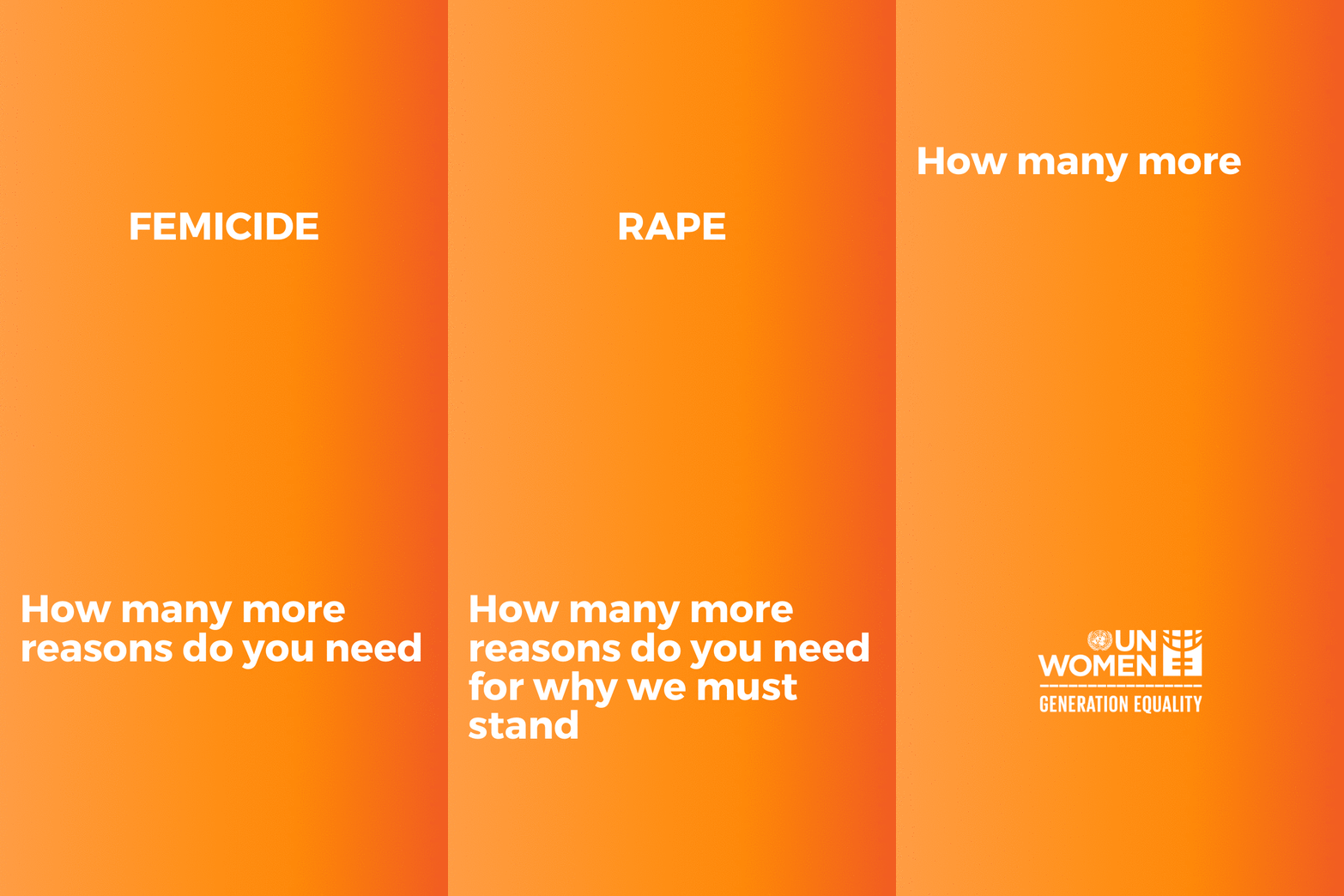
Let me tell you why we still need to fight for the elimination of violence against women.
1 in 3 women1 has been subjected to violence once in their lifetime
137 women2 are killed by a member of their family every day
Only 40 per cent3 of women seek help after experiencing violence
Women and girls account for 72 per cent of human trafficking victims globally
4 million girls4 are at risk of undergoing female genital mutilation every year
Female genital mutilation is still practised in 92 countries
The numbers are increasing tremendously due to the effect of the COVID-19 pandemic. 2 in 3 women reported that they, or a woman they know, experienced some form of violence. In some countries, calls to helplines grew by 5.5
The consequences affect women at all stages of their life.
Gender-based violence inflicted on girls at school represents the primary obstacle to universal schooling and the right to education and, if we consider the bigger picture, it translates into limited access to higher education and reduced opportunities in the labour market.
As such, violence impacts women's well-being as a whole and prevents women from fully taking part in society.
TWO: Gender-based violence is undoubtedly omnipresent, yet it is not inevitable and must be prevented.
Reading this, you might be thinking about someone that has experienced such a traumatising event, or your mind might run to the women you have in your life.
It could be you, your daughter, your sister, your mother, your lover, your friend, your colleague.
And you might be asking yourself: how can I help prevent from this to happen?
Start with believing those who experienced it, ending victim-blaming. There's no attitude, behaviour, whatsoever that asks for rape to take place.
Held boys and men accountable, foster an environment where women are respected, fight for women's rights and stand up for equality.
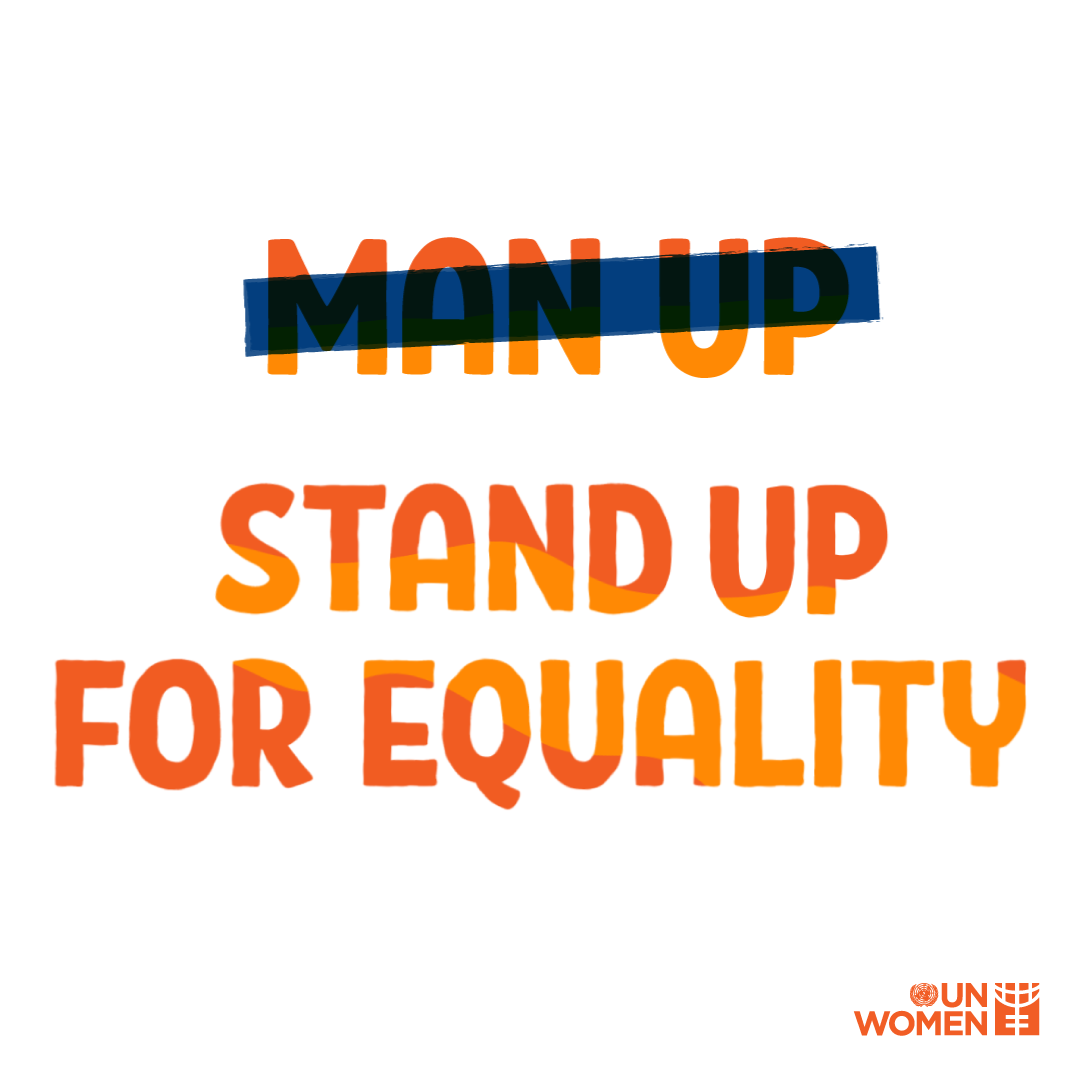
Support the development of a space (in the broadest meaning of the term) where women and girls are empowered, understood and protected, and where they can feel comfortable to report and share what happens to them.
The more we talk about it, the more awareness is raised, and here I'd like to share a story with you.
It was 11 years ago when I first experienced violence from a partner.
I was young, and ignorant, and scared, and it took me ages to realise that what I was going through was staggeringly wrong.
I lost the fizz of my high school years because of his stalking and the psychological abuse. I couldn't wear the clothes I wanted, I had to go home straight after class, I couldn't go out at night with my classmates, I couldn't put on nail polish.
When my behaviours were perceived as particularly wrong, I was beaten and verbally humiliated.
I was led to think that I was the wrong one, that a girl at 15 could misbehave in a way that could justify violence.
I grew up with the feeling of being inadequate.
With time I developed a general sense of submissiveness towards people of the opposite gender.Even today, if a man next to me moves too suddenly, my body tends to curl up and protect itself, as if the fear of being battered was still vivid and present.
I have never reported him to anyone.
It is the first time I share these episodes with someone, and I am doing it here, today, because what we are developing at Futura Care is a safe space for women to express themselves freely and seek help, and I feel comfortable here.
We are also keen to be part of the conversation around women's rights, and we will always do our best to move boundaries.
THREE: We did not grow last week, which is why we really need you to share the newsletter with people around you.
You can send it via email, on Twitter, via WhatsApp, you choose!
This year, the United Nations selected orange as the colour to characterise the campaign.
The theme “Orange the World: End Violence against Women Now!” aims to represent a brighter future free of violence against women and girls.
For all the women who are reading this: please remember that you are not alone.
If you have experienced abuse, felt threatened, unsafe, or need assistance, here's the list of country helplines.
Feel free to reach out anytime. In our small way, we are here to support you.
I take advantage of this opportunity to thank all men who support women and fight gender-based violence. I am lucky enough to be encircled by some exceptional men who are great advocates of women's rights.
Last but not least, and since today is also Thanksgiving Day, I would like to express my gratitude to you and this community for the love and support constantly give us. ✨
The first week of the newsletter is in the books, and I couldn't be happier!
I will meet you here, next week. In case you miss us terribly, see you on Instagram (or Facebook. Twitter if everything goes down again!)
Tons of love,
Silvia,
🧡
World Health Organization, on behalf of the United Nations Inter-Agency Working Group on Violence Against Women Estimation and Data. 2021
United Nations Office on Drugs and Crime. Global Study on Homicide 2019. 2019
United Nations Women. Ending Violence Against Women. 2020
United Nations, UNICEF. 2020
United Nations Women. The Shadow Pandemic: Violence against women during COVID-19. 2020